Fairfax Grange Chronicles · 1943
1943: Fairfax Grange and the Wartime Community Spirit
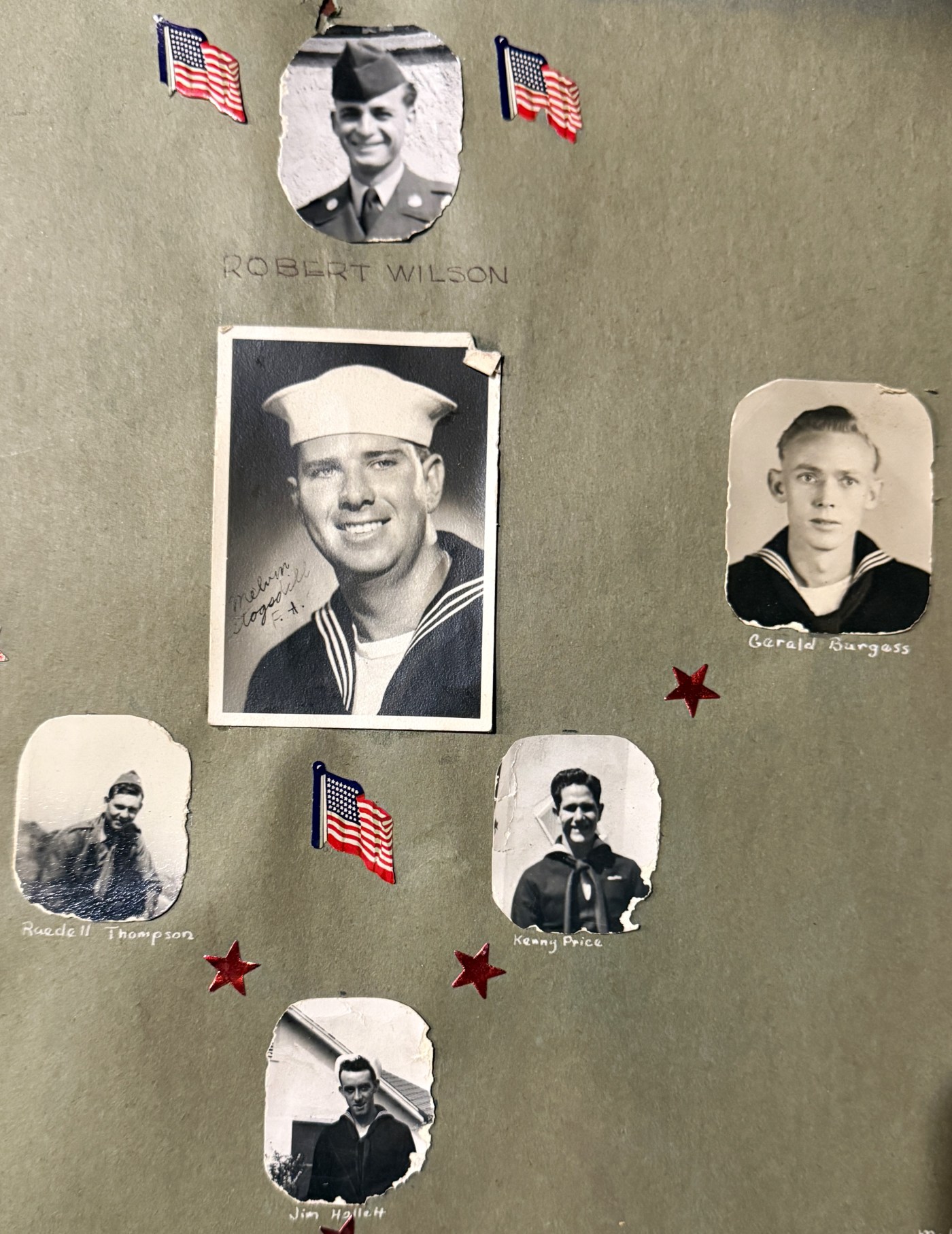
Previously, in Part 5 : The Fairfax Grange pushed ahead in 1942, balancing wartime responsibilities with community life. They hosted dances, gathered scrap iron, supported members serving overseas, and even found time to paint and improve the hall. Through resourcefulness and teamwork, they tackled challenges both big and small, from rationing to local militia support. Their resilience set the stage for continued progress as the war loomed on. (Read the full story here: Part Five: Rising to Meet the War Effort )
The Fairfax Grange: Part Six – Steadfast in the Storm
“The future belongs to those who believe in the beauty of their dreams.” — Eleanor Roosevelt
By 1943 , the war was deeply felt across the nation, and life at the Fairfax Grange reflected the times. Yet even amid the turmoil, the Grange persevered, weaving together progress, service, and community in equal measure.
The year began with plans for improvement. Members voted to install a drinking fountain . They also decided to make “more” restroom upgrades. These were small steps that added comfort to their beloved hall.
The leadership focused on the loan balance for the hall. It stood at just over $2,800 . It was a constant reminder of the work still to be done. Remember, the country was barely out of the Great Depression. These were independent, strong-willed people. Debt was not a good thing. They members were determined to get this loan paid off.
Challenges loomed around every corner. Yet the Grange did not falter. They addressed issues one at a time. They continued to host their dances, which remained a vital source of income and joy. The orchestra requested a $1 per person raise . This would bring their fee to $25 . The members voted to approve it. They understood the importance of keeping the music alive. People began to identify the Grange with music and dancing.
In January , water began seeping through the basement walls—a problem still familiar to us today. They had purchased a cistern and a pump and thought they solved the problem. By March , concerns over the water supply persisted.
The war effort was a constant backdrop. Members pooled ration points for monthly dinners, combining red and blue points to keep meals on the table. Red points were for meat, butter and fats. Blue were for canned goods. Sister Brown contributed 129 yards of material to the Red Cross . Others gathered to sew surgical dressings and prepare goods for the war effort. Despite rationing, hardships, and constant adjustments, the Grange remained a place of hope and purpose.
As summer arrived, the Grange’s farming focus came to the forefront. They discussed farm draft deferments . The Farm Draft Deferment program was a World War II initiative. It allowed farmers to delay or avoid military service. Farmers were as essential to the war effort as soldiers. The Grange had two members in the service, Thomas Carter and Ralph Abel .
The Grange sought to protect its interests with articles of incorporation. Clearly, they had much to protect. Incorporation insured their future. At one meeting, the Treasurer noted the bank account contained $529. The Board moved to pay three payments on the Hall loan, amounting to $360.
Their attention returned to the hall. Members purchased a 60-barrel tank in Taft to supply water to the Hall. This replaced the cistern. Volunteers hooked up the pipes from the tank to the hall fixtures. They negotiated a water supply from Mr. Hayes for $1 a month.
Even the smallest moments reflected the Grange’s spirit. They paid $4 to have the piano tuned and raised soda prices to 10 cents to offset orchestra fees. These practical decisions kept the Grange afloat while allowing members to enjoy the simple pleasures of life.
All through the minutes of this year’s meetings, there was news of someone being sick, injured or having trouble. The Grange was the community hub, and if someone was hurting or in need, the word passed around. Sister Graham was ill. Mrs. Garriss was very sick and asking for blood donors. Brother Kenworthy was in hospital, but he can have visitors. Biff Bell was in a serious car wreck. These members stuck together.
By September , the Grange turned its focus outward again. During a meeting promoting war bonds , community members gathered. While they argued about a $1 raise to the orchestra and the $7 monthly power cost. Nevertheless, they succeeded in purchasing over $4,000 worth of war bonds as a musical program entertained them all. This blend of patriotism and community spirit showcased the Grange’s role during wartime. It served not only as a local hub, but also contributed to the larger cause.
As the year drew to a close, the Grange celebrated its achievements. They proudly announced a membership of 99 . They reduced the loan balance to less than $1,600 , cutting it in half in just over a year. Though challenges remained, they ended 1943 with optimism and determination, ready to face whatever lay ahead.
What’s Next? As the war continued, the Fairfax Grange remained a beacon of resilience. What new challenges would arise in the coming years, and how would the community respond? Stay tuned—the story of the Grange is far from over.