Fairfax Grange Chronicles · 1942
Adapting to War Challenges in 1942
Rising to Meet the War Effort
“The art of life lies in a constant readjustment to our surroundings.”
— Kakuzō Okakura
Part Five – 1942
By 1942, the war was casting a long shadow over the country. Life at the Fairfax Grange was no exception. The hall had become the heart of the community. It was adapting to new challenges. At the same time, it was continuing to bring people together.
The dances remained a staple of the Grange’s activities, offering moments of joy amid uncertainty. In January alone, they hosted two dances, raising over $48—funds that helped keep the Grange afloat. Sister Kofahl prepared for a fried chicken dinner. She called for volunteers to help “dress the chickens” for the dinner/dances. The “power” bill was $7.19. Glade Wattenbarger was reimbursed $1.65 for the blackout paper to prepare the Grange in case of a wartime attack.
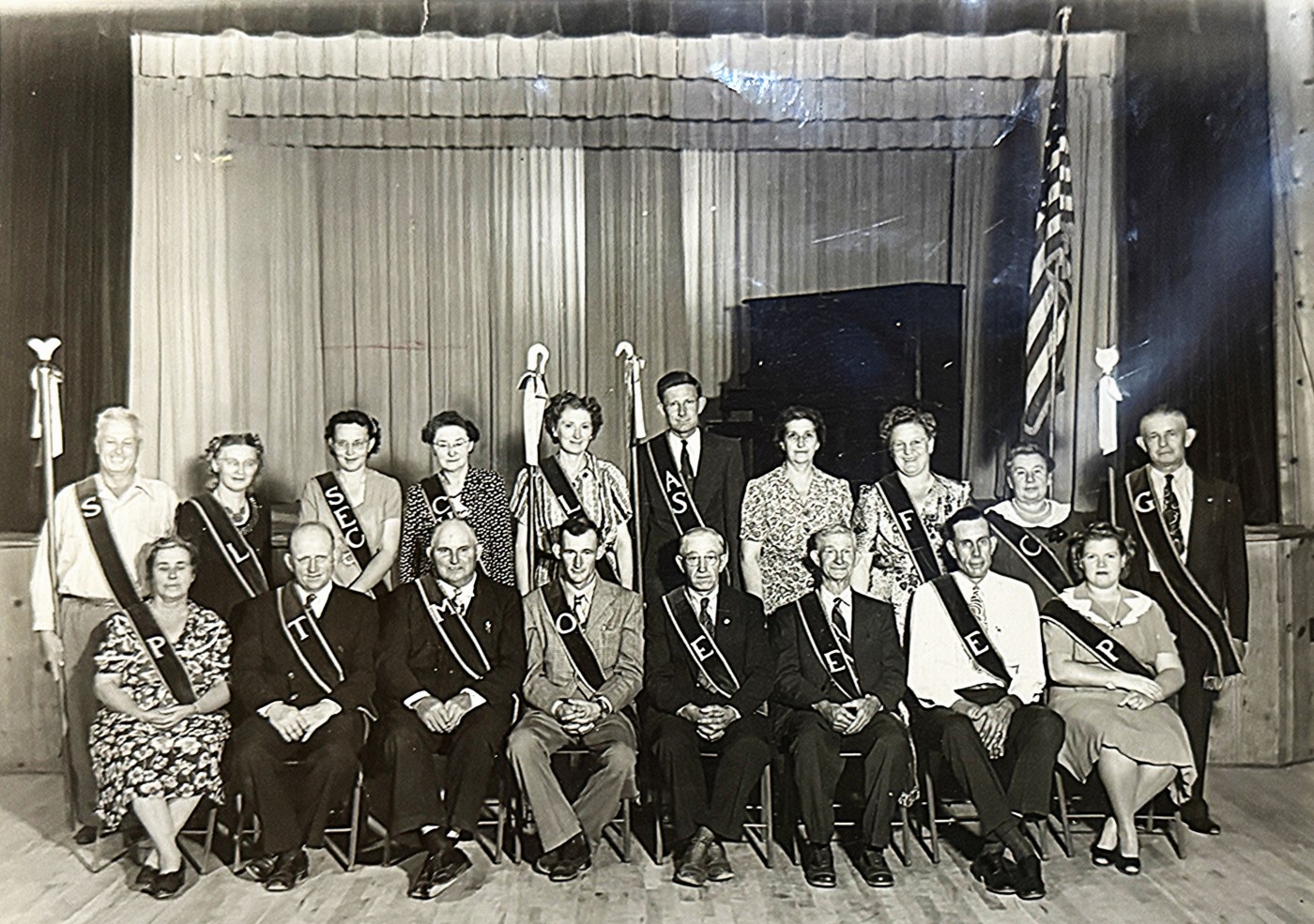
The Hall hosted a grand party for all its members. The event included the Grange Masters from every other hall in Kern County. Turkey was on the menu. ( Editor’s note: I believe there could have been as many as 9 Granges in the county at that time. )
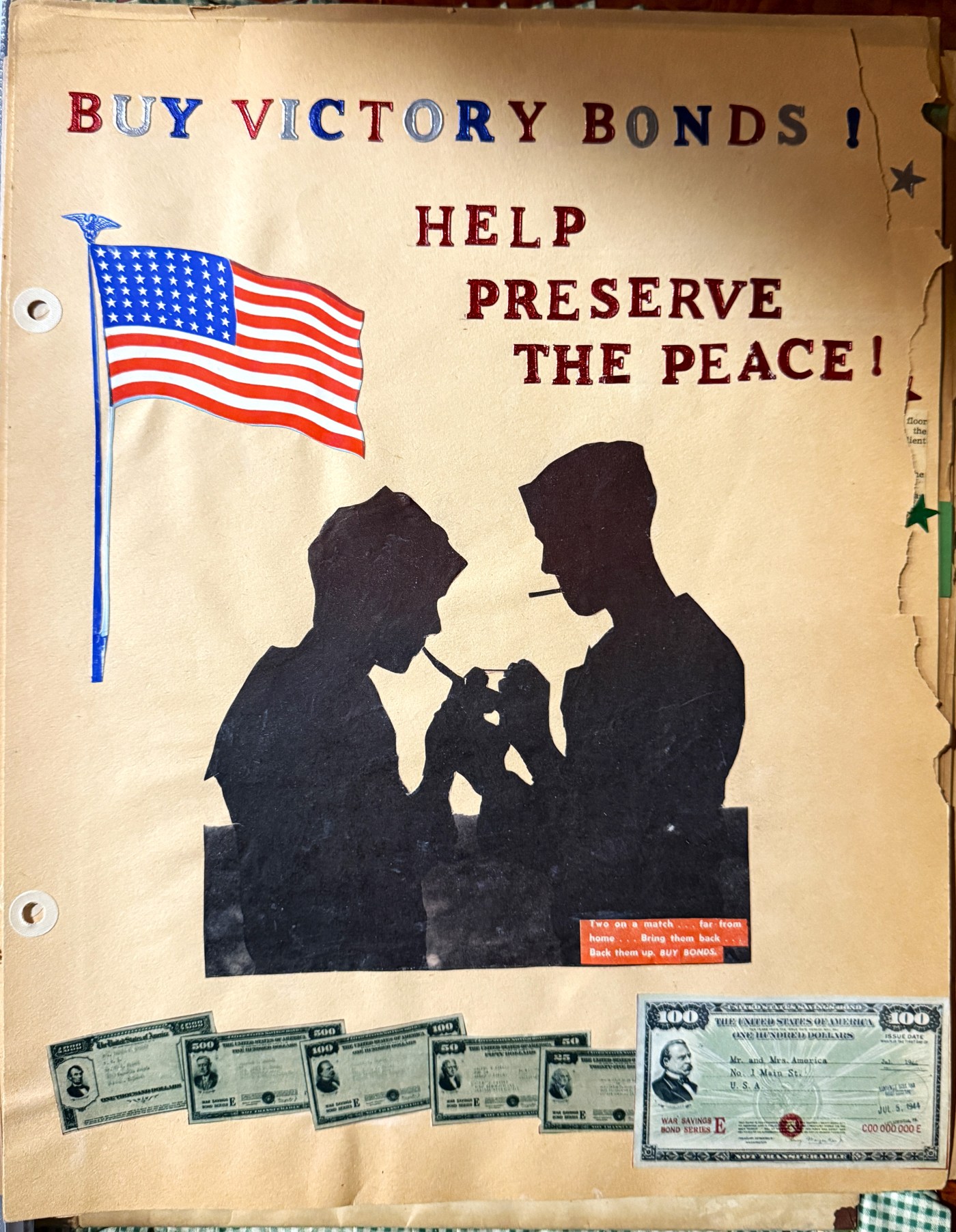
The war effort was never far from their minds. They collected scrap iron that sold for $11 per ton . They installed blackout paper. They even planned dances to honor the State Militia, which included 80 local men. The Grange also served dinners at the USO hall. All local Grange members serving overseas had their dues covered.
But it was not all work and no play. In March, new linoleum was installed in the downstairs dining area, adding a touch of comfort. Plans to paint the basement and install a sign showed the Grange’s pride in their growing legacy.
By the summer, the war was affecting everything, from rationing to farming. Members discussed labor shortages, farm machinery restrictions, and the need to collect rubber and iron for the war effort. Still, the dances continued, and members worked tirelessly to improve the hall and keep their community strong.
As 1942 drew to a close, the Grange celebrated its accomplishments. They had installed exterior lights and painted the hall. They had also raised over $114 selling scrap iron. All this was done while continuing to host dances, dinners, and gatherings. Yet the war loomed large, and new challenges awaited.
What surprises would 1943 bring for the Fairfax Grange? Stay tuned—this story is far from over.