Fairfax Grange Chronicles · 1934
How in the H-E- Double Hockey Sticks did our Grange get built?
“ If you want something bad enough, you’ll find a way. If not, you’ll find an excuse.” – Ian Francis
The Fairfax Grange: The Long Road to a Hall of Their Own
It’s almost a fairy tale.
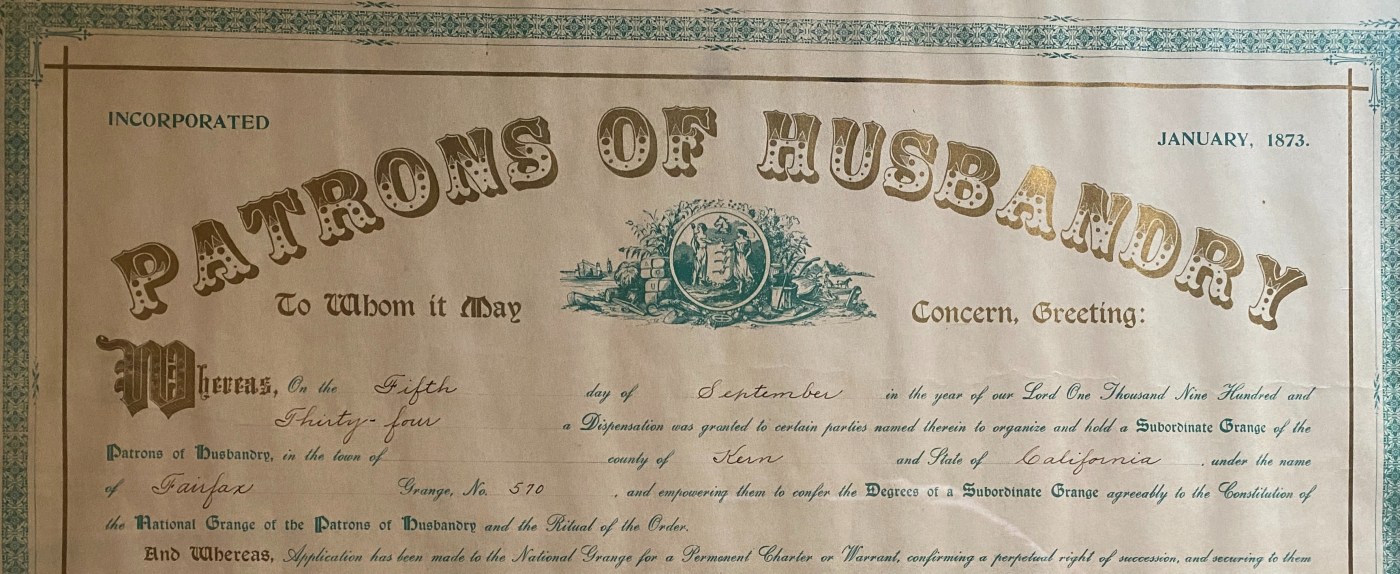
Once upon a time – August 31, 1934 -, in the heart of a small but determined community, a group of neighbors came together to form the Fairfax Grange. Their goal? To build something lasting, something meaningful—a place where people could gather, support one another, and strengthen their community.
They started simply enough, meeting at Fairfax School on the first and third Monday of the month. They called each other Brother and Sister, a tradition that fostered a sense of unity and care. Early on, they were a close-knit group. When Brother Baldwin’s house burned down, they didn’t just offer sympathy—they gave him work to help him get back on his feet. That was the kind of people they were: action-oriented, compassionate, and quietly determined.
As the Grange grew, so did their dreams. They rented Magunden Hall for their meetings, held dances, and set up bake sales—all to raise money for the future they envisioned. In March 1935, they even formed a Home Economics Committee , which would eventually become a key part of their fundraising efforts. These early days buzzed with excitement as they experienced growth and the potential for something greater.
By May 1935, they dreamed of having their own hall. They floated the idea at a meeting, but as often happens, dreams take time to materialize. They formed a committee, but no immediate action followed. The membership continued renting Magunden Hall (for $5 a night), hosting events, and building their membership. But the dream of a permanent home remained.
By 1936, the Grange faced some challenges. Attendance waned, and they even held a special meeting in September to discuss whether the Grange should continue. It was a pivotal moment, and one that could have ended the Fairfax Grange before it truly began. But they persevered. In October, attendance picked up again, with 35 members present, renewing their lease with Magunden Hall and carrying on.
Throughout 1937, they kept pushing forward. They sent members to advocate for farmers at the state and federal levels; they discussed soil conservation and water projects, and they hosted community dances. Their efforts were steady, if not always glamorous. They even booked a three-piece band for $12—a minor victory in their quest to raise funds and keep the Grange alive.
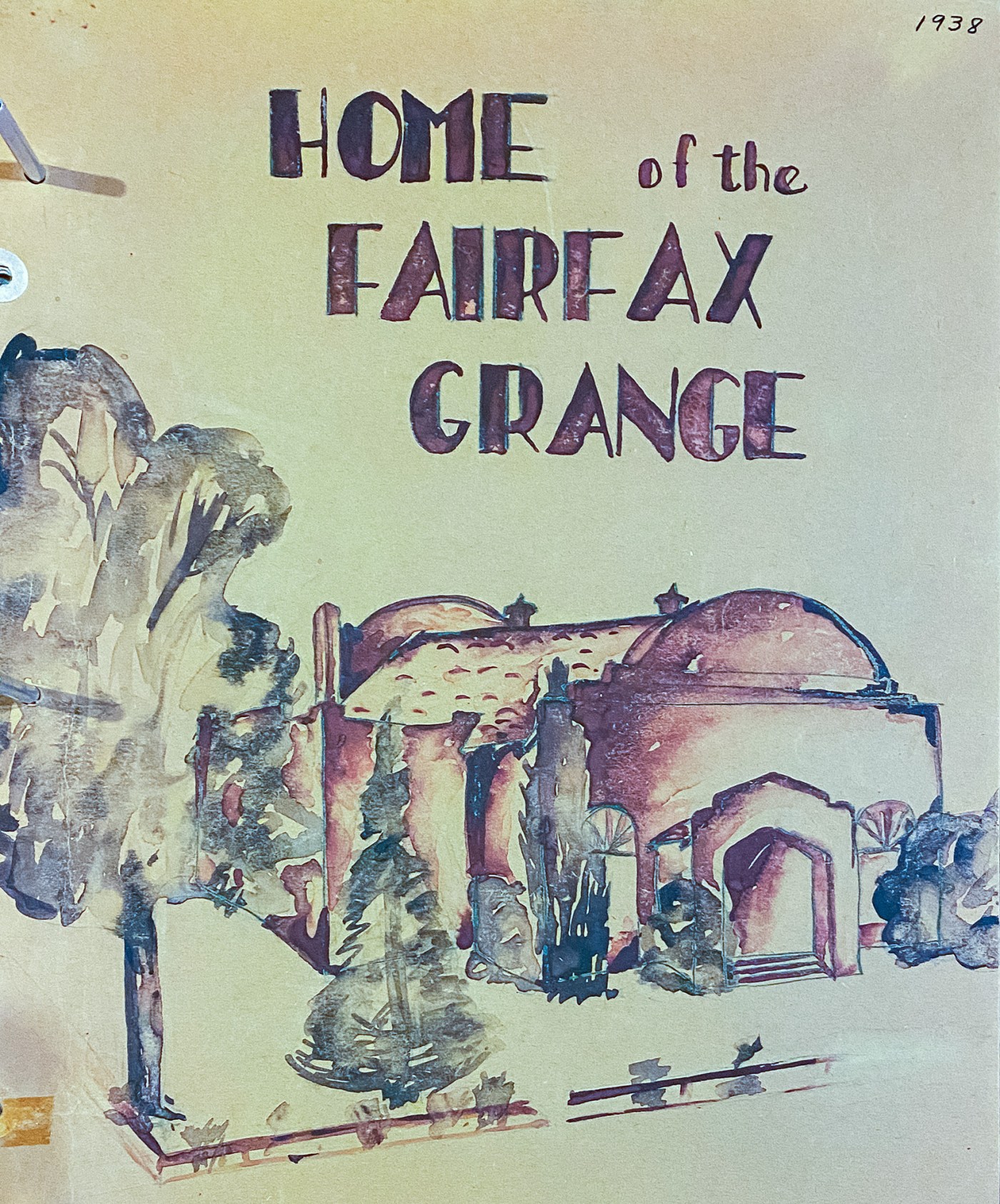
Then, in 1939, the dream of a Grange Hall reemerged. They had been watching other Granges, like Buttonwillow, dedicate their halls, and it rekindled their hope. Land was becoming available, and the Fairfax Grange was ready to take action.
At the March 24, 1939 meeting, Grangemaster Kofahl met with Mr. Rench to discuss buying an acre of land. The price was $500—or $600 if Rench covered the survey and deed. The negotiations continued into April, with new offers on the table. Half an acre for $300 without oil rights, or $600 if they kept the rights. But land wasn’t the only thing fluctuating—so were the Grange’s hopes.
Then, a pivotal moment arrived on March 10, 1939. Mr. Harrell , the influential owner of the Bakersfield Californian , sent a letter and a $50 donation to the Grange. This wasn’t just any donation—it was a clear sign that someone important believed in the Fairfax Grange’s mission. Harrell’s contribution gave the Grange the encouragement and momentum they needed to open an official Grange Hall building fund.
By May, other offers came in. Brother York mentioned that Mrs. Marble will sell an acre for $200. But in the end, it was George Hamilton who made the winning offer: one acre with 95 feet of frontage on Fairfax Road for $400.
The Grange agreed, and on July 5, 1939, they recorded the deed. The Fairfax Grange finally owned their land.
It had taken five long years to secure the property, but they did it. The Grange had grown big enough, determined enough, to claim a permanent home. Now, with land in hand, the next challenge awaited: raising the money for materials, deciding on a design, and constructing a hall that would serve the community for generations to come.
How long would it take to build? What obstacles would they face along the way? Stay tuned—the story of the Fairfax Grange Hall is only just beginning.