Fairfax Grange Chronicles · 1947
The Fairfax Grange: Part Ten – (1947)
Earlier, in Part 9
In 1946, the Fairfax Grange balanced steady progress with the everyday struggles of rural life. They installed fans to cool the hall. They added new chairs. They also solved their long-standing water fountain dilemma with a generous donation. Dances filled the hall, but the challenges of post-war farming lingered—milk shortages, rising costs, and railroad strikes tested their resolve. Through it all, the Grange thrived as a hub for community. It also served as a center for connection. They closed the year with celebration. There was also quiet reflection. (Read more: Part Nine – A Year of Progress and Pesky Problems )
The Fairfax Grange: Part Ten – A Season of Growth and Gratitude (1947)
Community is much more than belonging to something; it’s about doing something together that makes belonging matter. — Brian Solis
The new year at the Fairfax Grange started with ceremony. In January , Brother and Sister Everett and Ethel Mullens were formally welcomed into the Grange family through a time-honored ritual. Back then, membership wasn’t just a handshake and a signature. It was a ceremony—a moment when one of higher rank passed the torch to new members. Thirty-nine members filled the hall for that first meeting of the year. The Treasurer reported a healthy balance of $614.70 , and Brother Kofahl shared some good news: the price of milk had risen by a cent per quart. A small gain, but farmers knew that every penny counted.
By February , the chill in the air was hard to ignore. The Grange was on the hunt for a proper stove to warm the upstairs hall. But cold weather wasn’t enough to slow them down. They planned a March trip to Tehachapi . Grange men would knock on doors there. They wanted to spread the word about the benefits of Grange membership. It wasn’t glamorous work, but it was important. Growth didn’t happen by accident.
Spring brought fresh concerns, especially about water. It was reported that groundwater levels had dropped 65 feet over the past 16 years. Hay prices climbed to $20–22 a ton . On the business side, the Grange struggled to find a safe deposit box —none were available. Still, they secured liability insurance for just $16.05 a year. They even took bids to paint the hall, though the details were left out of the minutes.
By early summer , the hall gleamed with fresh paint, costing $480.90 . The floor was refinished, and work on the basement was underway. And in true Grange fashion, life carried on. The Thompsons welcomed a baby boy—a whopping 13 pounds, 7 ounces . The Grange certainly knew how to raise strong stock!
As the summer dragged on, the basement floor was completed for just $37.50 . The Grange noticed that mothers had growing needs. They voted to buy two baby beds for the downstairs area. This ensured mothers fully join in the Home Economics Club (HEC) without worry.
The annual Jefferson Park picnic was set, drawing 63 members . The Grange supplied the ice cream , a summer tradition. But joy was tempered when Sister Mesmer fell and broke her wrist—a sharp reminder of how quickly celebrations can turn.
August brought laughter and cake with a mock wedding for Brother and Sister Parks , celebrating their 25th wedding anniversary . Sister Abel turned 80 , a milestone celebrated with warmth and plenty of cookie recipes—favorites chosen for the upcoming State Convention .
As the long, hot summer cooled, the Grange planned a Turkey Dinner Dance in October . For $1.50 a plate , guests enjoyed a hearty meal before hitting the dance floor. Meanwhile, beyond the hall, cotton pickers were on strike . This situation is a quiet reminder that not all was well in the working fields.
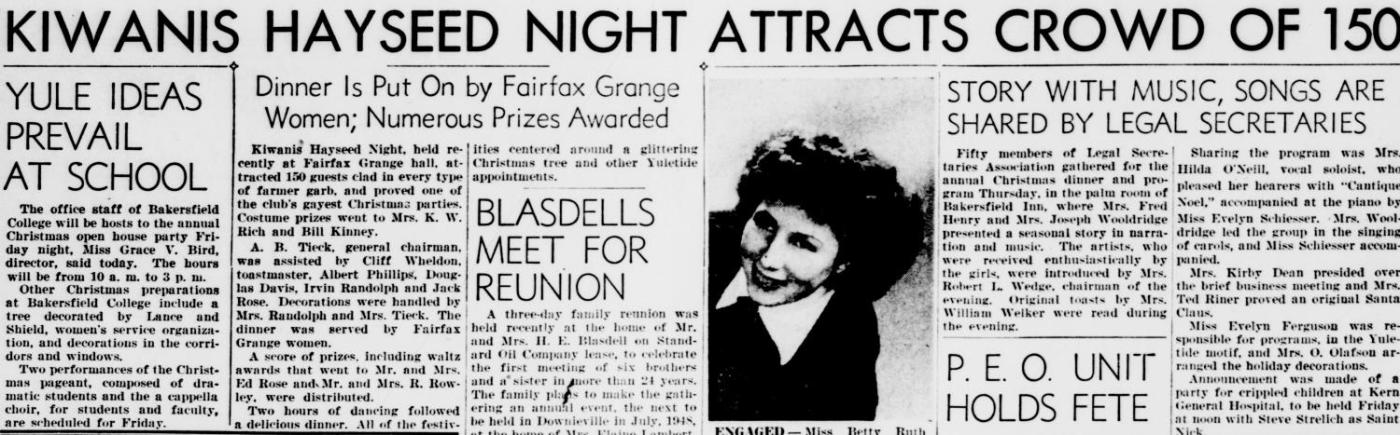
The October and November dances brought success and crowds. In response, the Grange voted to raise the admission fee to 60 cents starting in December . The hall was also booked for the Kiwanis Christmas Party , with dinner priced at $2 a plate .
The Home Economics Club prepared holiday food baskets for families in need. This action ensured that the Grange’s spirit of giving extended beyond its walls.
But the year ended on a somber note. Sister Abel , who had celebrated her 80th birthday just months before, passed away in December. Flowers were sent in her honor—a small token of deep respect.
What’s Next?
As 1947 closed, the Fairfax Grange stood strong, its members bound by tradition, service, and a deep sense of community. But the coming year would bring new challenges and opportunities. What would 1948 hold for this resilient Grange? Stay tuned for Part Eleven.